![Shri_Guru_Metal_Logo_c2c[1]](https://shrigurumetals.com/wp-content/uploads/2023/07/Shri_Guru_Metal_Logo_c2c1.png)


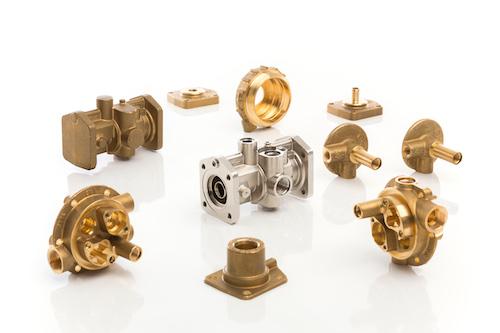
Brass forged parts, with their remarkable strength and exceptional resilience, are pivotal in numerous industrial applications. The forging of brass, involving the application of localized compressive forces, creates components with unparalleled durability and precision, essential for ensuring the longevity and reliability of various machinery and equipment.
1. The Essence of Brass Forged Parts
Brass forged parts are renowned for their outstanding strength and corrosion resistance, thanks to the alloying of copper and zinc. This combination results in components that are not only robust and reliable but also aesthetically pleasing due to the characteristic golden hue of brass.
2. The Forging Process
The process of forging brass involves heating the alloy and then applying pressure to give it the desired shape and properties. This method enhances the metal’s structural integrity, rendering the finished parts more durable and resistant to wear and tear.
2.1 Hot Forging
Involves heating brass to high temperatures before shaping, which allows for the creation of complex and precise components.
2.2 Cold Forging
The brass is shaped at room temperature, ideal for producing simpler parts with exceptional surface finish.
3. Advantages of Brass Forged Parts
The use of brass in forging offers numerous benefits that make it a preferred choice in various industries.
3.1 Enhanced Strength
The forging process strengthens the brass, making the resulting parts highly durable and able to withstand extreme conditions.
3.2 Superior Corrosion Resistance
Brass forged parts are highly resistant to corrosion, ensuring longevity and reliability in various applications.
3.3 Aesthetic Appeal
The golden color of brass adds an element of elegance to the components, making them visually appealing.
4. Applications
Brass forged parts find their utility in a multitude of domains due to their durability and versatility.
4.1 Automotive Industry
In automobiles, they are used for components like gears and bearings due to their strength and resistance to wear.
4.2 Plumbing Fixtures
Their corrosion resistance makes them ideal for plumbing fixtures exposed to water and humidity.
4.3 Aerospace Components
The aerospace industry values them for their strength-to-weight ratio and precision in components like fittings and connectors.
5. Considerations for Purchasing Brass Forged Parts
When sourcing brass forged parts, considerations such as quality, specifications, compatibility, and price should be prioritized to ensure the acquisition of components that meet the specific requirements.
6. Maintenance and Care of Brass Forged Parts
Proper maintenance, including regular cleaning and inspection, is crucial for ensuring the optimal performance and longevity of brass forged components.
7. Conclusion: The Unmatched Excellence
Brass forged parts are synonymous with strength, reliability, and elegance. Whether it’s for automotive components, plumbing fixtures, or aerospace fittings, the precision and durability offered by these parts make them an invaluable asset in various industrial applications.
FAQs
Q1: Can brass forged parts be used in marine applications?
Yes, their corrosion resistance makes them suitable for marine applications where resistance to saltwater is crucial.
Q2: Are these more expensive than their cast counterparts?
While the initial costs may be higher due to the forging process, the enhanced durability and precision often justify the investment.
Q3: How can brass forged parts be maintained to ensure their longevity?
Regular cleaning, lubrication, and inspection for signs of wear and damage are essential maintenance steps to ensure the longevity of brass forged parts.
In conclusion, investing in brass forged parts is a prudent choice for anyone seeking components that combine strength, precision, aesthetic appeal, and resistance to corrosion, ensuring the seamless functioning and extended lifespan of machinery and equipment.
8. Sustainability and Environmental Impact
In the current age where sustainability is paramount, Brass Forged Parts also make a substantial contribution to environmental conservation. Brass is highly recyclable, and its long lifespan means reduced need for replacement and, consequently, lower consumption of resources and energy in production. This attribute not only makes brass forged parts economically viable but also eco-friendly. Industries and consumers who are environmentally conscious can lean towards brass components with confidence, knowing they are making a choice that is in harmony with ecological preservation and sustainability goals. Whether it’s minimizing waste or reducing energy consumption, brass forged parts are at the forefront in fulfilling the global commitment to a greener and more sustainable future.