![Shri_Guru_Metal_Logo_c2c[1]](https://shrigurumetals.com/wp-content/uploads/2023/07/Shri_Guru_Metal_Logo_c2c1.png)


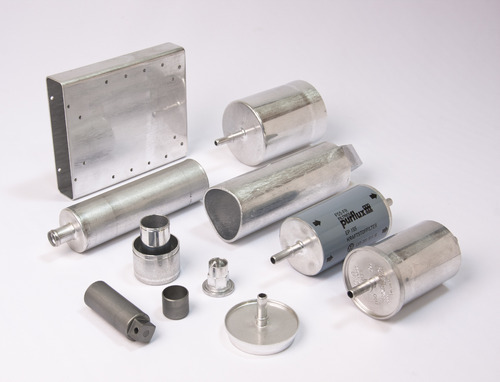
Aluminium turned parts have gained immense popularity across industries for their exceptional precision, durability, and versatility. These components are manufactured through a precise turning process that involves shaping raw aluminium material into intricate designs and geometries. In this article, we will explore the advantages, applications, and key considerations associated with aluminium turned parts, highlighting their role in driving performance and innovation.
Aluminium Turned Parts
Aluminium turned parts offer a range of benefits that make them a preferred choice in various applications:
- Lightweight and Strength: Aluminium is renowned for its lightweight yet robust nature, making turned aluminium parts ideal for industries where weight reduction and strength are critical factors.
- Excellent Machinability: Aluminium’s malleability and ease of machining allow for intricate designs and complex geometries, resulting in parts with precise tolerances and high-quality finishes.
- Corrosion Resistance: Aluminium has inherent corrosion-resistant properties, making it suitable for applications exposed to moisture, chemicals, and harsh environments.
- Thermal Conductivity: Aluminium exhibits exceptional thermal conductivity, making it an excellent choice for components that require efficient heat dissipation.
- Cost-Effective: Aluminium turned parts are cost-effective due to the ease of manufacturing, reduced material waste, and competitive pricing of aluminium itself.
Applications of Aluminium Turned Parts: Aluminium turned parts find applications across a diverse range of industries:
- Automotive: Used in engine components, transmission systems, and chassis assemblies to enhance fuel efficiency, reduce weight, and improve overall performance.
- Electronics: Found in connectors, heatsinks, and housings where thermal management and lightweight design are crucial.
- Aerospace: Utilized in aircraft components such as fasteners, fittings, and structural parts due to their lightweight properties and resistance to high altitudes.
- Medical Devices: Employed in surgical instruments, diagnostic equipment, and prosthetics for their biocompatibility and precise machining capabilities.
- Industrial Equipment: Used in pumps, valves, and machinery components where corrosion resistance and precise tolerances are essential.
Key Considerations when Choosing Aluminium Turned Parts: Selecting the right aluminium turned parts involves careful consideration:
- Aluminium Grade: Choose an appropriate aluminium alloy grade based on factors like strength, corrosion resistance, and thermal conductivity required for your application.
- Tolerances and Surface Finish: Specify the required tolerances and surface finish to ensure the parts meet your functional and aesthetic requirements.
- Design Complexity: Discuss the design intricacies with your manufacturer to ensure feasibility and cost-effectiveness during the turning process.
- Volume and Lead Time: Determine the production volume and desired lead time to align with your project’s timeline and budget.
- Manufacturer Expertise: Partner with a reputable manufacturer experienced in aluminium turning to ensure high-quality, precision parts.
Conclusion: Aluminium turned parts have revolutionized industries by offering lightweight, durable, and precisely engineered components. Their applications span across automotive, electronics, aerospace, medical, and industrial sectors, contributing to enhanced performance and innovation. By understanding the advantages, applications, and key considerations associated with aluminium turned parts, you can make informed decisions that optimize your projects for success.